When it comes to constructing a building, safety should always be the top priority. One important aspect of building safety that cannot be overlooked is seismic bracing kits. These kits are specially designed to help buildings withstand the forces of earthquakes, ensuring the safety of both the building’s occupants and the structure itself.
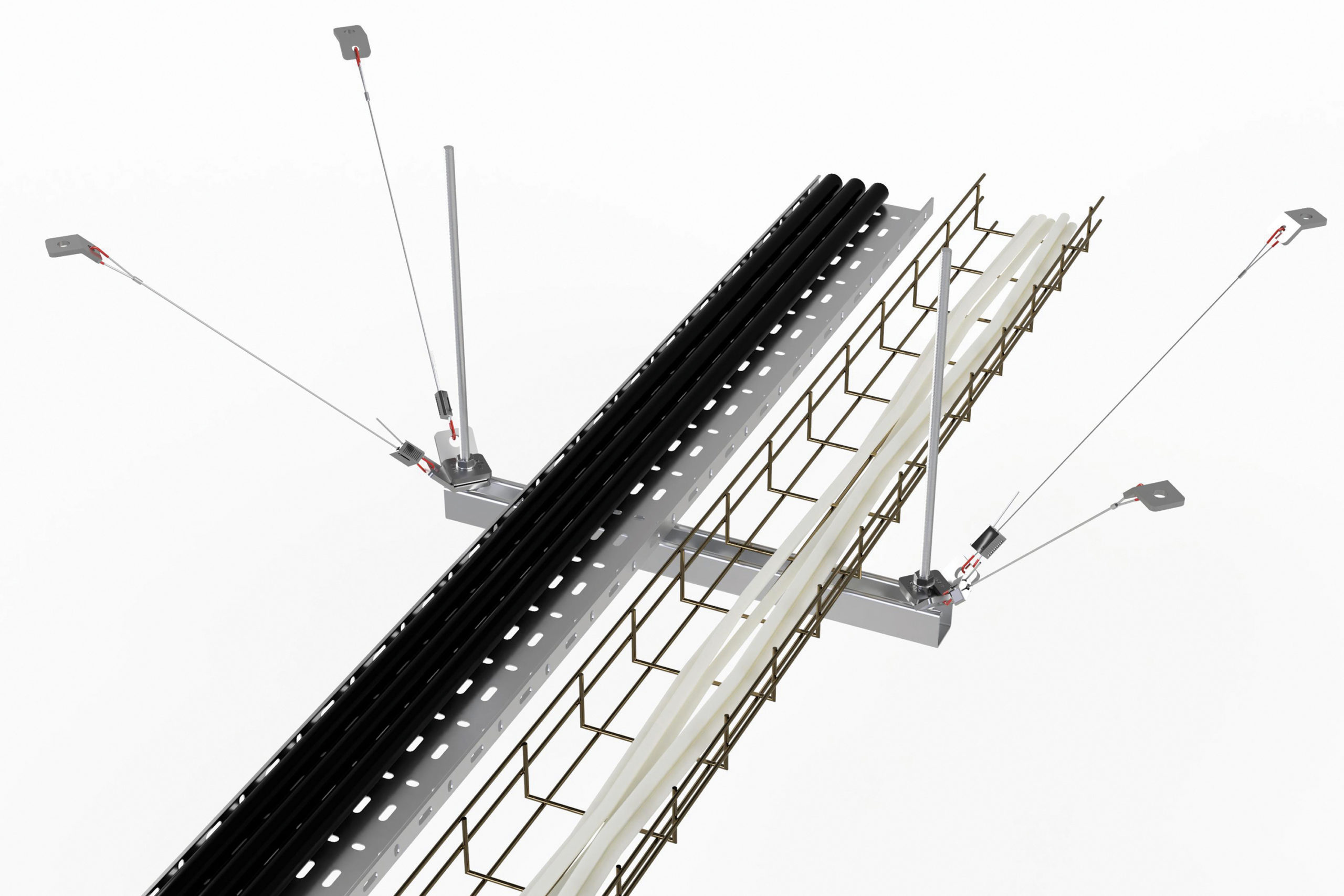
A seismic bracing kit is a system of interconnected components that work together to provide additional support and stability to a building during seismic events. These kits are typically made up of high-strength materials such as steel or aluminum, which are able to withstand the intense forces exerted by earthquakes. By installing a seismic bracing kit, builders can help to minimize the risk of structural damage and collapse during seismic events, ultimately ensuring the safety of everyone in the building.
There are several key components that make up a seismic bracing kit, each playing a crucial role in ensuring the kit’s effectiveness. One of the most important components is the bracing itself, which is typically made of steel rods or cables that are anchored to the building’s structure. These braces help to distribute the forces exerted by an earthquake throughout the building, preventing any one area from bearing the brunt of the force. By spreading the force evenly, the braces help to reduce the risk of structural damage and collapse.
In addition to braces, seismic bracing kits often include dampers, which are devices that help to absorb and dissipate the energy of an earthquake. Dampers can come in various forms, such as fluid-filled cylinders or spring-loaded mechanisms, but their purpose is always the same: to reduce the amount of force transmitted to the building’s structure. By installing dampers as part of a seismic bracing kit, builders can further enhance the building’s ability to withstand seismic events.
Another important component of a seismic bracing kit is the connections that hold the kit together. These connections are typically made of high-strength materials such as steel or aluminum, and are designed to withstand the intense forces exerted by earthquakes. By ensuring that the connections are strong and secure, builders can help to ensure that the seismic bracing kit functions as intended, providing the building with the support and stability it needs during a seismic event.
The benefits of installing a seismic bracing kit in a building are numerous. Not only do these kits help to protect the building’s structure and occupants during earthquakes, but they can also help to minimize downtime and repair costs in the event of a seismic event. By investing in a seismic bracing kit, builders can help to ensure the long-term safety and stability of their buildings, protecting their investment and the people who use the building.
It’s important to note that seismic bracing kits are not just for new construction. In fact, older buildings can benefit greatly from the installation of a seismic bracing kit. By retrofitting an existing building with a seismic bracing kit, builders can help to strengthen the structure and reduce the risk of collapse during seismic events. This can be especially important in areas prone to earthquakes, where the risk of structural damage is higher.
In conclusion, seismic bracing kits play a crucial role in ensuring the safety and stability of buildings during seismic events. By providing additional support and stability, these kits help to minimize the risk of structural damage and collapse, ultimately protecting both the building’s occupants and the structure itself. Whether for new construction or retrofitting existing buildings, investing in a seismic bracing kit is a wise decision that can help to protect both lives and property.